Gut Microorganisms and Nutrition
- Gut Microorganisms and Nutrition
- What Is the Gut Microbiota?
- The Effect of Nutrition on the Microbiota
- Fiber-Rich Foods and Prebiotics
- Probiotic Foods and Fermented Products
- The Relationship Between Fat, Protein, and the Microbiota
- The Gut Microbiota and the Immune System
- Modern Lifestyle and the Microbiota
- Conclusion and the Dietitian’s Approach
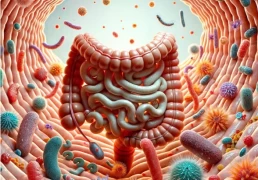
For us dietitians, gut microorganisms are not merely a part of the digestive process; they represent a highly complex and dynamic ecosystem that is directly related to the immune system, metabolic balance, hormonal regulation, and even mental health. Current reviews emphasize that the trillions of microorganisms living in the human gut should be discussed not only in terms of their numerical presence, but also in terms of their functional capacity. This community of microorganisms is referred to as the gut microbiota, and a healthy microbiota plays a central role in maintaining overall health.
What Is the Gut Microbiota?
The gut microbiota encompasses all microorganisms living in our digestive tract. These microorganisms perform many vital functions, such as the breakdown of indigestible food components, the production of short-chain fatty acids, vitamin synthesis (especially vitamin K and certain B vitamins), defense against pathogenic microorganisms, and the regulation of the immune system.
Reviews from 2024–2025 reveal that the microbiota should be evaluated not only through the concepts of “richness” or “diversity,” but also through the metabolites it produces and its effects on immune responses. In our clinical practice, we consider the balance and functionality of the microbiota as a fundamental indicator of a healthy gut structure.
The Effect of Nutrition on the Microbiota
Nutrition is one of the most powerful environmental factors shaping the gut microbiota. Current scientific evidence shows that even short-term dietary changes can create rapid and measurable effects on microbiota composition. Diets dominated by monotonous and ultra-processed foods reduce microbiota diversity and functional capacity, whereas dietary patterns rich in fiber, natural foods, and overall food diversity support the microbiota.
When providing nutritional counseling, we focus not only on calories or macronutrient distribution, but also on the nourishment of microorganisms, metabolite production, and their effects on inflammation.
Fiber-Rich Foods and Prebiotics
Dietary fibers cannot be broken down by human digestive enzymes; however, they serve as a primary energy source for gut bacteria. Current reviews emphasize that not only the amount of fiber intake, but also fiber diversity, is a determining factor. Different types of fiber activate different bacterial groups and metabolic pathways.
In particular, prebiotic fibers (such as inulin, fructooligosaccharides, and galactooligosaccharides) support the growth of beneficial bacteria and the production of short-chain fatty acids. Regular consumption of foods such as whole grains, legumes, vegetables, fruits, onions, garlic, leeks, and Jerusalem artichoke is supported by current scientific evidence as increasing both the diversity and functional strength of the microbiota.

Probiotic Foods and Fermented Products
Probiotics are live microorganisms that can provide health benefits when consumed in adequate amounts. Yogurt, kefir, ayran, tarhana, boza, fermented pickles, and fermented vegetables are among natural probiotic sources. We support the regular consumption of these foods in appropriate individuals and in suitable amounts.
However, reviews from 2024–2025 clearly demonstrate that standard probiotic approaches do not produce the same effects in every individual. Therefore, the current approach emphasizes postbiotics (beneficial metabolites produced by the microbiota) rather than probiotics alone, as well as the importance of individual responses. The microbiota is unique to each person; thus, probiotic and fermented food recommendations should always be evaluated within the framework of individual tolerance and health status.
The Relationship Between Fat, Protein, and the Microbiota
The quality of fat and protein sources in the diet is a key determinant of microbiota balance. Current studies indicate that excessive intake of saturated fats and processed meats may promote bacterial profiles that increase inflammatory responses in the gut. In contrast, healthy fat sources such as olive oil, avocado, walnuts, and fish provide more balanced and protective effects on the microbiota.
In protein intake, we emphasize the balance between animal and plant sources. Dietary patterns dominated by plant-based proteins and fiber-rich foods create a more favorable environment for the gut microbiota.
The Gut Microbiota and the Immune System
The gut hosts a large portion of our immune system. Current reviews show that the bidirectional communication between the microbiota and immune cells is critical for responses to infections, inflammation control, and immune tolerance. A balanced microbiota plays a protective role by preventing the immune system from becoming either overactive or insufficient.
We emphasize that in individuals who experience frequent infections, have allergic tendencies, or show signs of chronic inflammation, dietary patterns must be evaluated from a microbiota perspective.
Modern Lifestyle and the Microbiota
Stress, irregular sleep, lack of physical activity, unnecessary antibiotic use, and ultra-processed foods are major factors that negatively affect the gut microbiota. The current scientific approach highlights that microbiota health should be addressed not only through nutrition, but also through overall lifestyle integration. We take these factors into account when planning nutrition strategies.
Conclusion and the Dietitian’s Approach
For us dietitians, gut microorganisms are at the center of personalized nutrition plans. Current scientific evidence prioritizes the concept of a person-specific, functional, and sustainable microbiota rather than a “one-size-fits-all healthy microbiota.” A healthy microbiota supports proper digestive function, balanced immune responses, and the maintenance of overall well-being.
For this reason, our goal is not short-term or restrictive diets, but the development of balanced dietary habits that support the microbiota and align with the individual’s lifestyle. Supporting gut microorganisms through appropriate food choices is one of the strongest and most scientific investments in long-term health.

Spc. RD. Elisa Atasoy
Dietitian and Nutrition Specialist