
The Importance of Bone Density Measurement in Osteoporosis
- The Importance of Bone Density Measurement in Osteoporosis
- Definition of Bone Loss (Osteoporosis)
- The Cornerstone of the Diagnostic Approach in Osteoporosis: Bone Density Measurement
- Parameters Evaluated in Bone Density Measurement
- Clinical Importance of Bone Density Measurement
- Who Should Undergo Bone Density Measurement?
- Limitations of Bone Density Measurement
- Conclusion and Clinical Evaluation
Definition of Bone Loss (Osteoporosis)
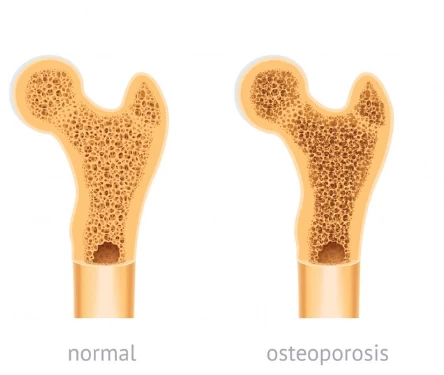
Bone loss, medically termed osteoporosis, is a systemic skeletal disease characterized by decreased bone mass and deterioration of bone micro-architecture, resulting in increased bone fragility. In osteoporosis, bone tissue weakens not only quantitatively but also qualitatively; this condition markedly increases the risk of fractures even with minimal trauma.
Osteoporosis is generally a silent disease and most often first manifests as low-energy fractures. In particular, fractures of the spine, hip, and wrist are among the most serious clinical consequences of osteoporosis. Therefore, early diagnosis and risk assessment are of fundamental importance in the management of the disease.
The Cornerstone of the Diagnostic Approach in Osteoporosis: Bone Density Measurement
In the diagnosis of osteoporosis and the prediction of fracture risk, bone mineral density (BMD) measurement is currently accepted as the gold standard method. Although clinical examination and laboratory findings may support the suspicion of osteoporosis, numerical evaluation of bone density is necessary to objectively establish the disease and to make treatment decisions.
At this point, the most commonly used method is Dual Energy X-ray Absorptiometry (DEXA). DEXA is a reliable and reproducible method that measures bone mineral density using low-dose radiation.
Parameters Evaluated in Bone Density Measurement
In DEXA measurements, results are generally reported based on two main scores:
- T-score:
Comparison of the patient’s bone density with a young adult reference population.- T-score ≥ -1: Normal
- T-score between -1 and -2.5: Osteopenia
- T-score ≤ -2.5: Osteoporosis
- Z-score:
Comparison of the patient’s bone density with individuals of the same age and sex group. It is particularly important in young individuals and in suspected secondary osteoporosis.
- Z-score:
These scores not only establish the diagnosis but also make it possible to quantitatively assess fracture risk.
Clinical Importance of Bone Density Measurement
The importance of bone density measurement in osteoporosis management can be addressed under several headings:
- Early Diagnosis and Risk Identification: Osteoporosis is a disease that can progress without clinical symptoms. Through bone density measurement, osteopenia or early osteoporosis can be detected before fractures develop. This enables the timely initiation of preventive treatments.
- Prediction of Fracture Risk: There is a direct relationship between bone density and fracture risk. Low bone density is a serious risk factor, particularly for hip and vertebral fractures. DEXA results, when evaluated together with clinical risk factors, allow the calculation of individual fracture risk.
- Decision-Making for Treatment: The necessity for pharmacological treatment largely depends on bone density measurement results. The question of which patient will benefit only from lifestyle modifications and which patient should begin medication becomes clear with bone density measurement.
- Monitoring Treatment Effectiveness: Osteoporosis treatment is a long-term process. Periodic DEXA measurements are of great importance in evaluating the effect of the initiated treatment on bone density. In this way, treatment effectiveness can be objectively monitored and the treatment plan can be revised if necessary.
- All women over 65 years of age
Who Should Undergo Bone Density Measurement?
Bone density measurement should definitely be evaluated particularly in the following risk groups:
- Men over 70 years of age
- Women with a history of early menopause
- Individuals using long-term corticosteroids
- Individuals with a history of low-trauma fractures
- Individuals with a family history of osteoporosis or hip fracture
- Individuals with rheumatologic and endocrine diseases
Regular measurements in these groups play a critical role in preventing the silent progression of osteoporosis.
Limitations of Bone Density Measurement
Although bone density measurement is a fundamental tool in diagnosis, evaluating osteoporosis solely through bone density is not sufficient. Factors such as bone quality, fall risk, muscle strength, and postural balance are also important elements determining fracture risk.
Therefore, measurement results must be considered together with clinical evaluation and patient history. The role of the Physical Therapy and Rehabilitation specialist is to conduct this holistic assessment and to create an individualized treatment and follow-up plan.
Conclusion and Clinical Evaluation
In osteoporosis, bone density measurement is an indispensable diagnostic tool in terms of early diagnosis, risk classification, and treatment management. By making silent osteoporosis visible, it provides the opportunity to take precautions before fractures occur.
As Physical Therapy and Rehabilitation specialists, our primary goal is to address osteoporosis not only as bone loss but as a multidimensional disease affecting functional capacity and quality of life. Bone density measurement constitutes the starting point of this holistic approach and is an essential component of effective osteoporosis management.

Dr. Elif Berber
Physical Therapy and Rehabilitation